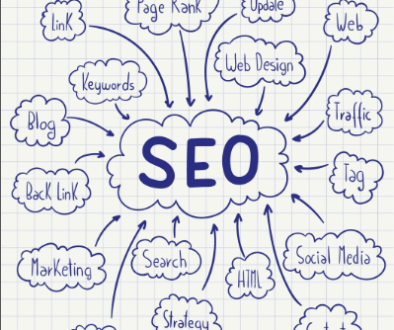
SEO for Small Businesses: Step by Step Guide to Ranking on Google
If you think SEO is complicated, you are overthinking it.
If you think SEO is easy, you are underestimating it.
SEO for Small Businesses is not about tricks or shortcuts. It is about structure, consistency, and targeting the right intent. Most small businesses fail because they either do nothing or do random activities without a strategy.
This guide breaks down a practical small business SEO strategy that actually works.

Step 1: Understand Search Intent Before Anything Else
Before you worry about backlinks or tools, answer this:
What is your customer searching for?
There are three main types of intent:
-
Informational – learning something
-
Navigational – looking for a specific brand
-
Transactional – ready to buy
If you sell services, you should focus heavily on transactional and local intent keywords.
Example:
-
“SEO services near me”
-
“best bakery in [city]”
-
“How to rank on Google for local business.”
SEO starts with clarity, not tools.
Step 2: Keyword Research for Small Businesses
You do not need hundreds of keywords. You need the right ones.
Focus on:
-
Service + location keywords
-
Long-tail keywords
-
Problem-based search queries
For example:
-
SEO for Small Businesses
-
Local SEO tips
-
Small business SEO strategy
-
How to rank on Google
Target keywords that show buying intent, not just traffic volume.
Traffic without conversions is useless.
Step 3: Optimize Your Website Properly
Many small businesses lose rankings because of basic mistakes.
Here is what must be optimized:
1. Title Tags
Your primary keyword should appear naturally.
2. Meta Descriptions
Clear, benefit-driven, and action-oriented.
3. Headings
Use structured H1, H2, and H3 headings with relevant keywords.
4. URL Structure
Clean and simple. No unnecessary numbers or symbols.
5. Mobile Optimization
If your website is slow or not mobile-friendly, Google will not prioritize it.
On-page SEO is the foundation of any strong small business SEO strategy.
Step 4: Local SEO Tips That Actually Work
If you are a local business, this is where you win.
Optimize Google Business Profile
-
Complete every section
-
Add real photos
-
Collect genuine reviews
-
Post updates regularly
Keep NAP Consistent
Name, Address, Phone number must match everywhere online.
Get Local Citations
List your business in relevant local directories.
Encourage Reviews
Reviews directly impact trust and local rankings.
Ignoring local SEO is a mistake most small businesses make.
Step 5: Create Useful Content Regularly
Content builds authority.
Write blog posts that answer:
-
How to rank on Google for beginners
-
Local SEO tips for startups
-
SEO checklist for small businesses
Do not write for search engines. Write for real problems.
Google rewards relevance and depth.
Step 6: Build Quality Backlinks
You cannot rank competitively without backlinks.
Focus on:
-
Guest posting
-
Local partnerships
-
Industry directories
-
High-value blog content
Avoid spammy backlinks. Cheap links damage trust.
Authority is built slowly but pays long-term.
Step 7: Track What Matters
Most small businesses track vanity metrics.
Instead, track:
-
Organic traffic growth
-
Keyword ranking improvements
-
Leads generated
-
Conversion rate
If traffic increases but leads do not, your strategy needs refinement.
SEO is not just about ranking. It is about revenue.
Common Mistakes Small Businesses Make
-
Expecting instant results
-
Targeting overly competitive keywords
-
Ignoring local optimization
-
Not updating website content
-
Stopping SEO after 2 months
SEO is compounding. The longer you stay consistent, the stronger your results.

MOHAMED SABIR KP
SEO EXPERT
Mohamed Sabir K P is an SEO expert with one year of hands-on experience in managing and optimizing search engine strategies for businesses and personal brands. He specializes in on-page SEO, technical SEO basics, keyword research, content optimization, and performance tracking to improve organic visibility and search rankings. With a strong understanding of how search algorithms work, Sabir focuses on data-driven strategies that help websites attract the right audience and achieve sustainable growth. His practical approach and continuous learning mindset enable him to adapt to evolving SEO trends and deliver measurable results.